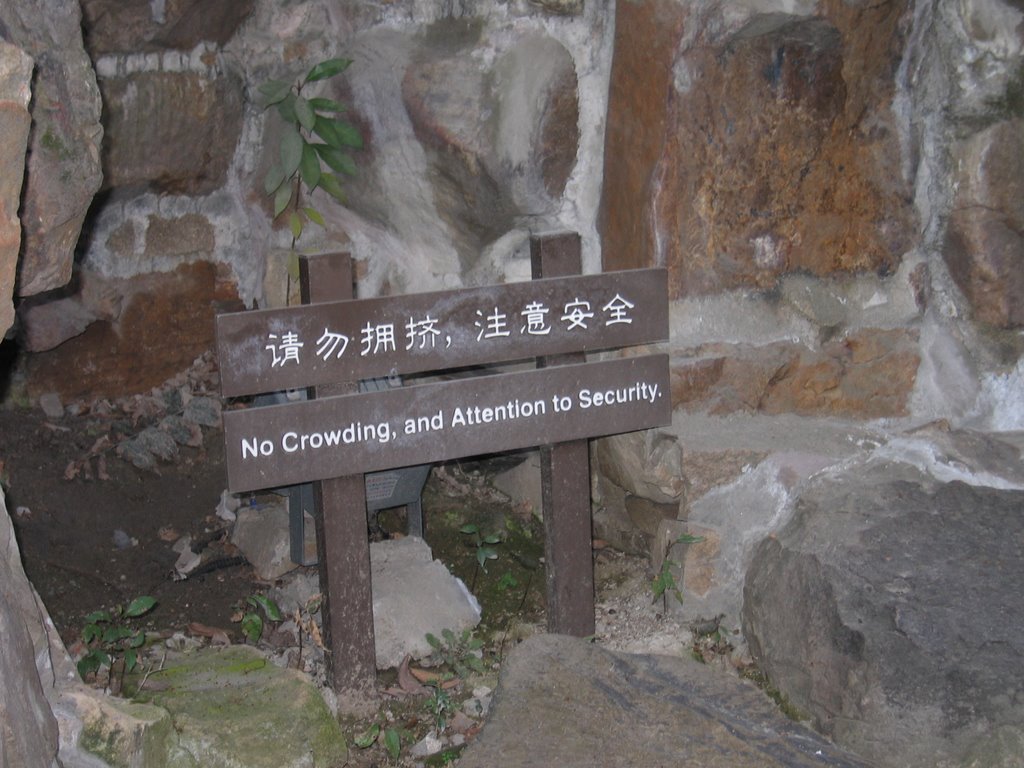
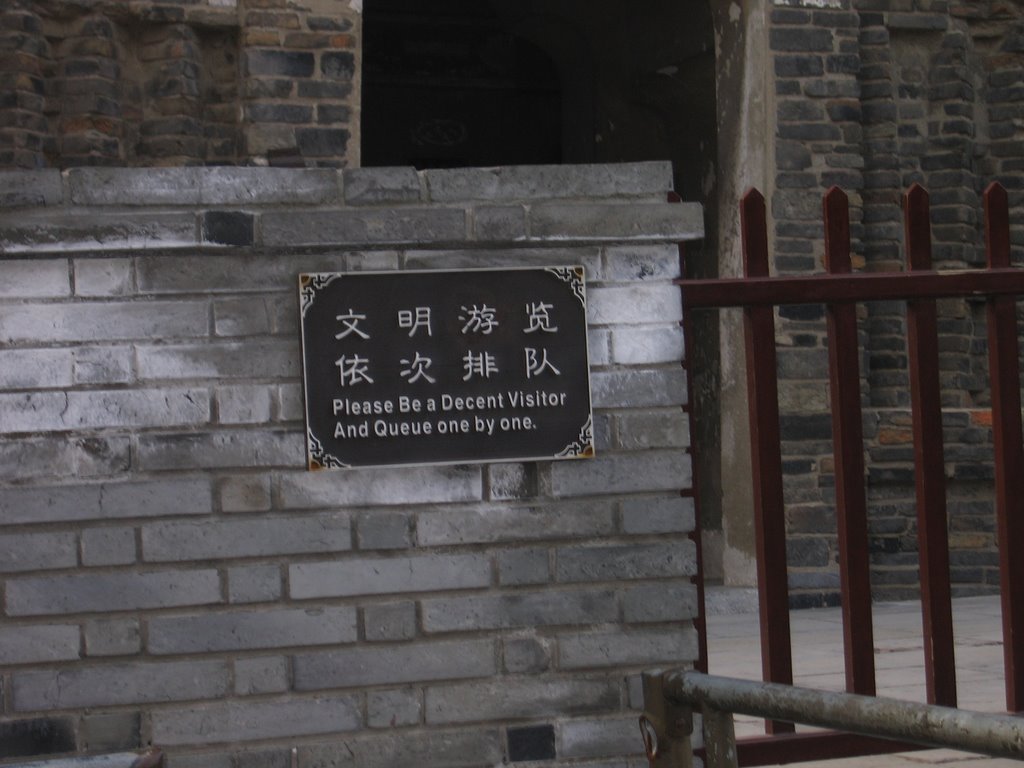
This was on the bar at the restaurant where we ate dinner our last night in Shanghai. It's pretty self-explanatory.
  This was on the bar at the restaurant where we ate dinner our last night in Shanghai. It's pretty self-explanatory.
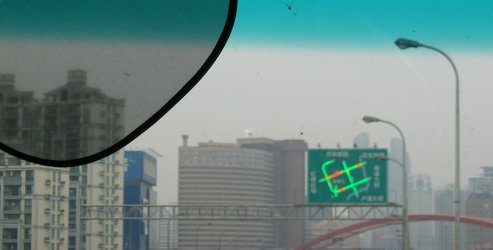 The green and red diagram in the middle of the picture is the traffic alert system in Shanghai for major roadways. Green means traffic is moving along smoothly. Red means there is congestion. Pretty neat system. Shanghai is considered to be more modern than Beijing. The picture was taken from our bus.
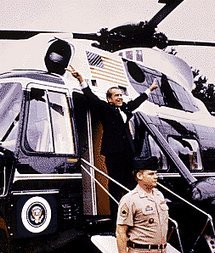 Some of you may remember the famous Nixon pose with his arms outstretched and his fingers on both hands forming the "V" for victory symbol. One day in Beijing some students noticed that we were Americans and they raised their hands just like Nixon and gave us the victory symbol. We were stunned. Our guide explained that people in China really like Nixon, because he opened up relations with China which started them on the road to where they are today. We were also told that they don't like George W. So it's can't be a Republican thing. I guess George hasn't done anything for them lately. Just a guess.
 Silk thread of all colors was displayed on the shelves in the work area at the carpet factory. I just liked the look of them.
 Those are my feet to the right in the picture. Shortly after they rolled the rug up for our purchase, I spilled part of a can of beer on the floor. Luckily I didn't hit any rugs. One of the sales staff had been sent out to get the beer because they were told that our bus really like beer. They wanted us to be happy while we shopped. I was. The bright white area on the bottom left side of the rug is the flash bouncing off the nap of the rug.
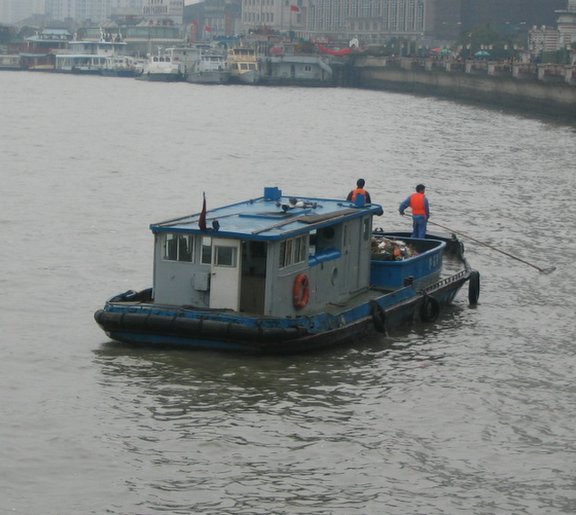 We rarely saw litter along any roadways whether we were in the cities or countryside. It's one way to employ lots of people. Give them a broom and let them sweep. In this photo the men on the boat are cleaning up the debris floating in the river in downtown Shanghai.
 There were times during our trip that I was very uncomfortable watching the Chinese workers do their jobs. For example, the young woman at the bottom of this photo is weaving a silk rug in a government-owned factory in Shanghai. She works just outside the showroom where rugs are for sale. Judging by the number of rugs for sale, there are other factories elsewhere in the country in which young women just like this one work under similar or perhaps worse conditions. She is following the rug pattern just above where she is working. The numbers on the pattern denote the color of silk thread. The factory uses vegetable dyes so the rugs will last longer. This young woman will tie 625 knots per square inch on every inch of this carpet. The carpet is 4'x6'. It will take her 20 months to finish. The lighting was not good nor did she have a good place to sit. I saw the same thing in the silk factory earlier in the trip. I'll talk about that with those photos. We did buy two silk rugs for a total of $3,200. The young women who make these beautiful things probably don't get any part of that price. I do love the rugs which arrived today.
 This is one of my favorite traffic photos. Notice the guy on the left talking on his cell phone as well as the guy peddling the cart that is loaded down with cardboard for recycling. Imagine traffic where bike, car, truck and cart driver are on their cell phones. It gets pretty crazy.
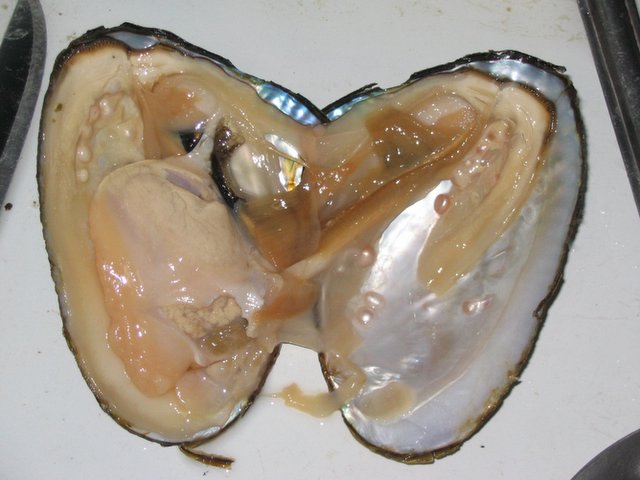 You may have to click on the picture to make it large enough to see the pink pearls. The Chinese grow freshwater pearls in large oysters that are not edible. The oysters are opened, tiny bits of membrane from another oyster are placed around the inside of the shell and then the shells are tied closed and put back in freshwater. The longer the oyster is in the water the better and bigger the pearls. They get white, black and pink pearls this way. Once we saw the demonstration we were led into a large salesroom filled with all kinds of pearls. Just another opportunity to buy, buy, buy. We had to buy an extra suitcase to get all our stuff home. It was very cheap and broke as soon as we got to our house.
 I couldn't believe my eyes when I saw this Golden Retriever in a Beijing alley. It was near where we had dinner with the family. He was a big golden and very well taken care of. You could tell he is groomed and brushed on a regular basis. Most of the dogs we saw were mutts, pekingese, or llasa apso. We did see one German Shepherd. Cats were few and far between. They probably do a better job of hiding. Yes, the Golden only understood Chinese.
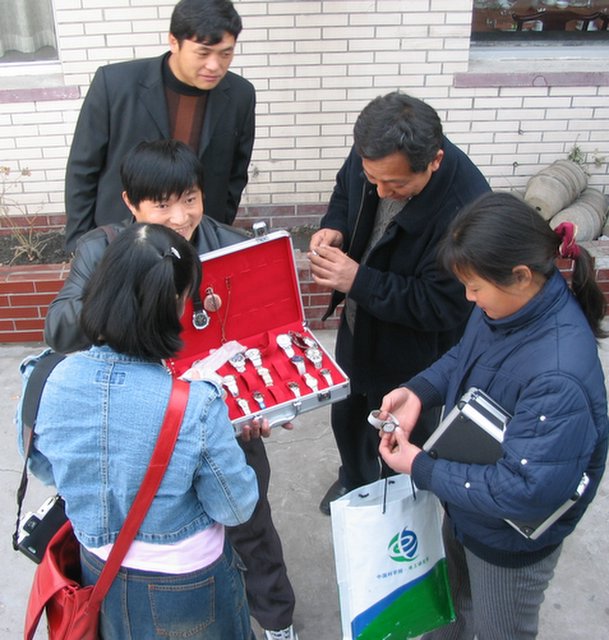 We were surrounded by peddlers every time we got off the bus. Rolex and Mao watch peddlers abounded. Other items being sold included: paper parasols, postcards, chopsticks, purses of all styles and designers, silk scarves, maps of China (actually quite useful because it was in English). Everything was "besta quality". You always bargain. All transactions are in American dollars. That's what these folks want. I'm sure they report to some cigarette-smoking big boss who takes a healthy cut of what they make. The bargaining was lots of fun. Even when you walked away without buying, the peddler would chase after you offering a better price or more merchandise for the original price. The man on the right is Tom, our bus driver in Beijing. Even Tom bought a faux Rolex. He also kept us supplied in bottled water and TsingTao. The price was two for a dollar. That means two beers or two waters for $1. A lot of beer was consumed on our bus. Tom always had a case open for us. The bus driver in Shanghai, Mr. Whang, didn't quite get it. He bought a six-pack and charged $1 per beer. He bought Sapporo, which wasn't too bad. Naturally Tom got a bigger trip when we left him at the Beijing airport to fly to Shanghai.
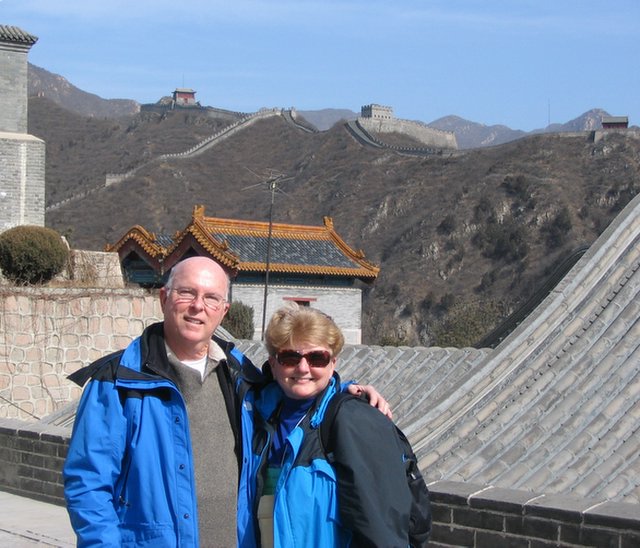 I think this is the only picture of us standing in front of something famous and touristy. The Great Wall, however, is amazing. It's 4,000 miles long and was built more than 2,000 years ago by the first emperor of China, Chin. Once he had unified China's provinces into one country, he wanted to keep the Mongolian hordes out it. He thought the wall would do it. Supposedly you can see the Great Wall from the moon. At least that's what the astronauts reported. Much of the wall is crumbling, but this portion outside of Beijing has been rebuilt for the tourists.
 Yes, the Chinese government allowed Starbucks to open a tiny store in the Forbidden City. There are 49 Starbucks in Beijing and 57 in Shanghai. A Starbucks was the first thing we saw when we came through immigration at Beijing Airport. KFC was right next door to it. For a minute I thought we hadn't left San Francisco yet.
 The terra cotta warrior shown here is a replica of those found in western China. There were several at the Great Wall. I still like my warrior best.
 This beautiful young woman was a hostess at our first dinner in Beijing on Friday night. What became clear to me after many more days is that everyone has a uniform. Even if you are sweeping the streets, you wear a uniform that includes a face mask to protect you from dust and dirt. Some are very elaborate such as this restaurant hostess and some are very plain. Whether we were in a jade, pearl or carpet factory, everyone had a uniform of some sort. The hotels were the same. It works for the Chinese.
 This is a pretty typical picture of the roads of China. There are cars, including BMW, Audi, Cadillac, Lexus, Toyota and Buick. Bicycle carts like this one and walking are still a major part of getting from one place to another. Traffic is crazy. Why more people aren't killed every day is a miracle. Sometimes there are more bikes (both motorized and pedal) on the street than cars. Riders seem to have no fear. They charged into the oncoming path of our huge bus all the time. We only saw two accidents the entire trip. Pretty amazing for all the time we spent on the road.
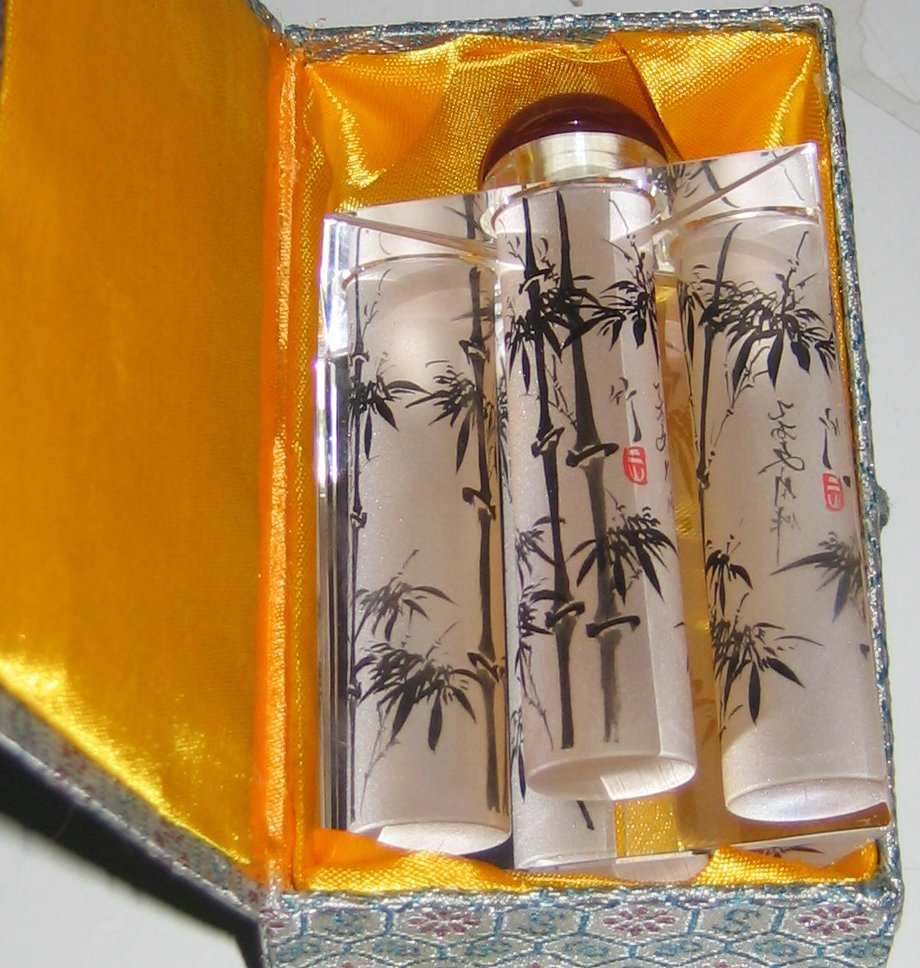
 We traveled by rickshaw to a special section of Beijing where we had lunch with a Chinese family. The woman in the center of the photo is the mother. Her daughter is to the right. They were very proud of the fact that they have their own kitchen and bathroom. They made special dishes for me that didn't contain MSG. The food was delicious. The Chinese government chose them to host lunches for tourists. This is considered a great honor plus they make money from it. The husband is an artist. He produces delicate paintings on three sided bottles and sells them to lunch visitors. Here's a picture of the bottle Kerry bought. The bottle is three-sided. The painting is only on the circular core, but appears to be on all sides. It's really amazing. I don't know how he does it.
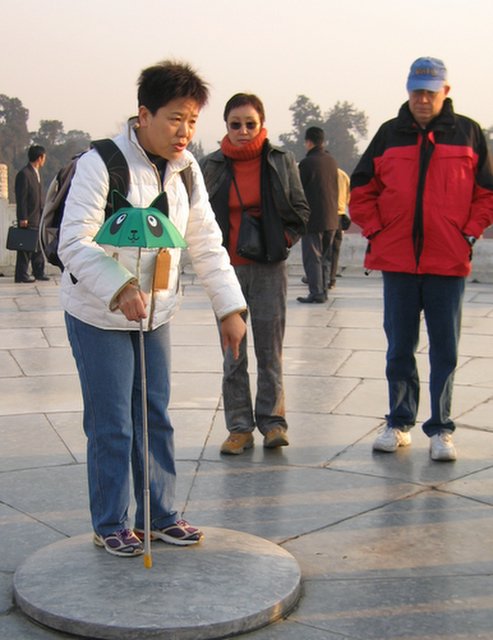 The guides are what make or break the tour. Here is Ann (they all take western names) at the Temple of Heaven in Beijing on the first day of sightseeing. She was the best guide we had the entire trip. She carried the little green umbrella so we could find her. Her husband is a cardiologist in the military. She has been a guide for many years. Talked alot about the cultural revolution when the country's leadership urged people to destroy Chinese relics so the history would be destroyed as well. Schools were closed too. This meant that Ann didn't get a good education when she was younger so had to start at the university later. Great lady. I have her e-mail so we can keep in touch. She got a very large tip from our group, Bus RC-4. We were also known as the rowdy group because we drank more TsingTao beer than any other group on the tour. When you can't drink the water and the wine is awful (it's called Great Wall red wine) what else can one do.







 Posts
All Comments
Posts
All Comments